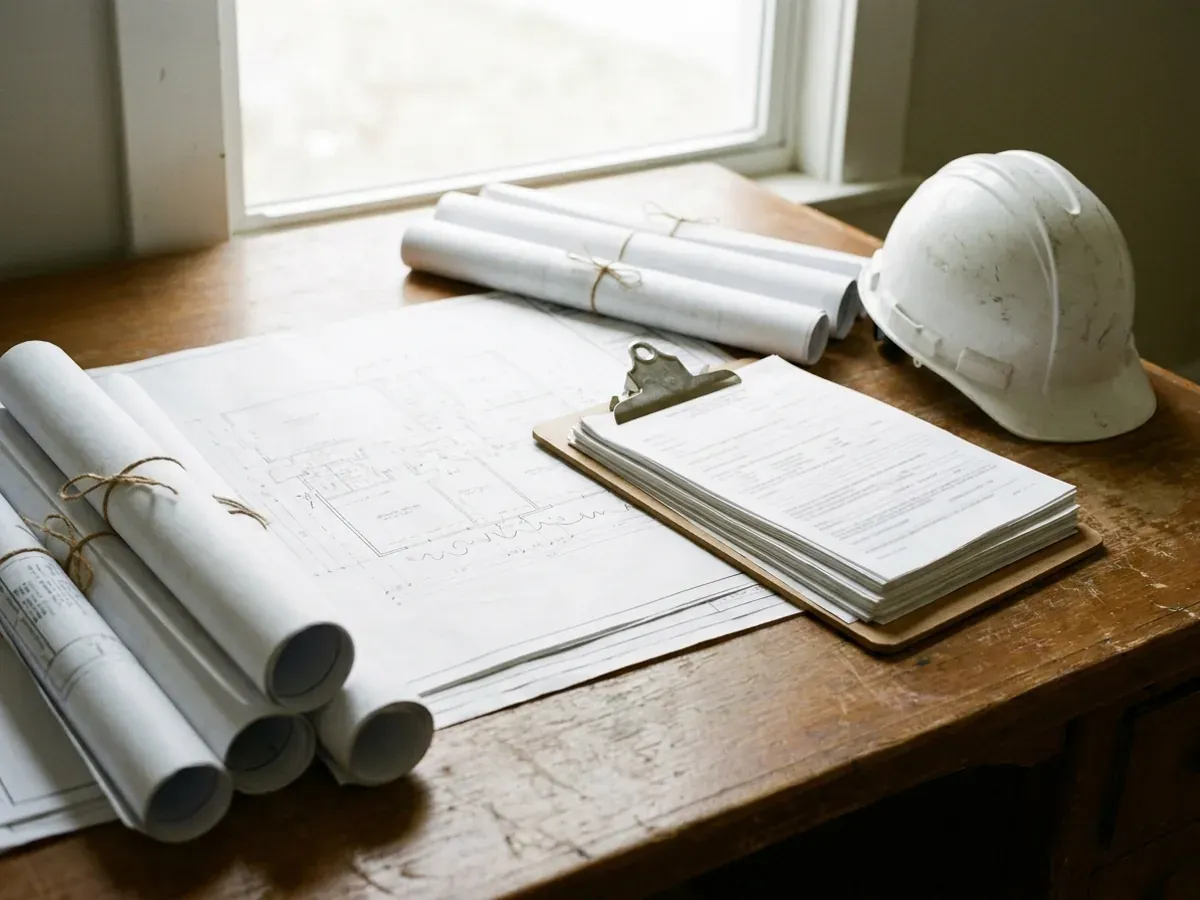
Barndominium Permits and Approvals in Colorado
There is no single Colorado barndominium permit. Colorado has no statewide residential building code, so the building permit comes from your city or town, your county, a regional building department — or, in a rural county that has adopted no code, from nobody. Around it sit approvals that apply almost everywhere: the septic permit from the local public health agency, the well permit from the Division of Water Resources, and electrical and plumbing permits from the state or your local program. We work out which apply to your parcel and prepare the drawings and applications for each.
Permitting & Approvals: how the work runs
Four stages, in this order. The sequence matters more than it looks: getting the design values, the water and septic answers and any permits settled before anything is fabricated is what keeps a Colorado build from stalling.
Find who has jurisdiction
We start by identifying every authority over the parcel: city, town, county or regional building department; zoning; the local public health agency for septic; the Division of Water Resources for the well; whether the state or a local program inspects electrical and plumbing; and whether the parcel is in the mapped wildland-urban interface. Colorado cities, counties and towns set their own rules, so the answer really is parcel by parcel.
Zoning, land division and water first
Zoning and water can stop a build before a drawing is reviewed. We check the zoning for a dwelling and a shop, the parcel's history — a division into parcels of 35 acres or more is outside the state's definition of a subdivision — and what well permit the parcel can get. The Division of Water Resources says complete well applications may take up to 49 days to review, so that application goes in early.
Drawings and applications
The drawing set is prepared to your jurisdiction's design figures and submittal rules, with sealed structural drawings from a Colorado-licensed professional engineer where they are required, and the energy-code information your jurisdiction asks for. The septic design goes to the local public health agency, and the site plan shows the building, the septic area and the well together so each reviewer sees the same site.
Review, corrections and inspections
We answer reviewers' comments and resubmit until the permits issue, then keep the inspection schedule moving through construction. Electrical and plumbing permits are pulled by the licensed trades doing that work. Where your county has no building code, there is no structural inspection, and we tell you so plainly rather than let it pass unnoticed.
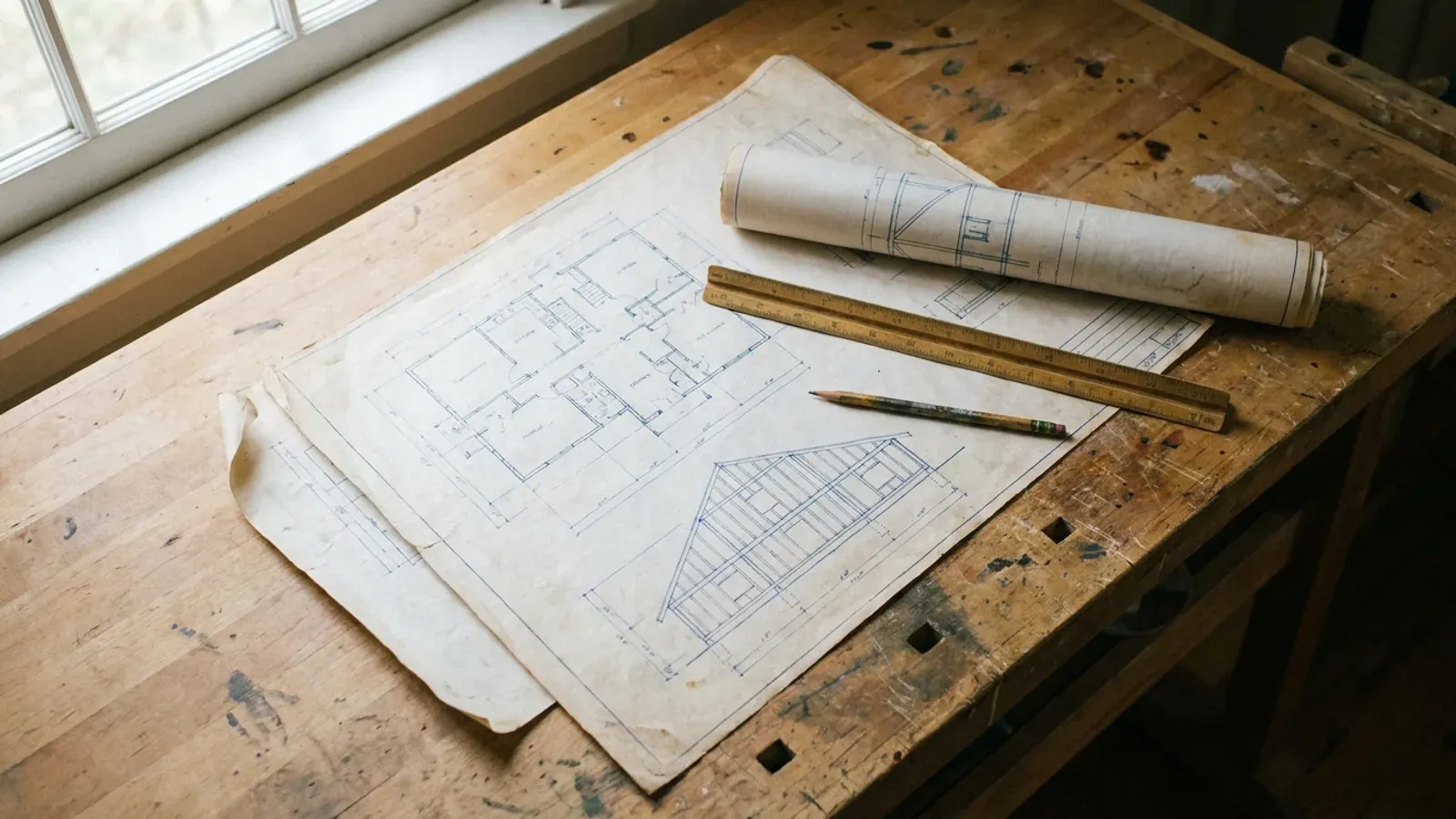
In Colorado, who issues your permit depends on where your land is
Colorado counties are authorized, not required, to adopt a building code for unincorporated land, and cities and towns regulate their own. Some areas share a regional building department; some rural counties have no building code at all. Where a local government does have a building code, Colorado law requires an energy code with it, and state law requires local governments with land in the mapped wildland-urban interface to adopt a wildfire code meeting the state board's standard. The septic, well, electrical and plumbing approvals apply regardless.
Where we deliver permitting & approvals
In Colorado the lines that matter are city limits, county lines and contour lines. Inside a city or town you have its zoning and its building department; out in the county, some counties enforce a building code and some rural ones do not; and in the mountain counties the snow load climbs with elevation, so two parcels in the same county can be drawn to very different roofs. Cross one of those lines and what changes is whether the build is inspected, who reviews the drawings and whose snow, wind and frost values they answer to. The septic permit from the local public health agency and the well permit from the Division of Water Resources go with you almost everywhere.
Barndominium builders across Colorado.
Every city and county we build in has its own answer on permits, septic, water and design values. The service area pages set out what each one publishes.
What actually decides the price
Square footage is the number everyone leads with, and it is rarely the one that moves a barndominium budget. These four do.
-
Which authority has jurisdiction
A city building department, a county, a regional department or no building department at all: each has its own review, fees and timeline. Permit fees are set by each jurisdiction and published by it, and we quote them from that jurisdiction rather than guess.
-
Water rights and the well permit
The well permit can be the slowest approval and the one that changes the plan. On a parcel under 35 acres a new well may be limited to use inside the house; on a lot in a subdivision created after June 1, 1972 an augmentation plan often governs what the well may do. Where a well is not available, a central water tap or a hauled-water system changes the budget.
-
Wildfire and other overlays
A parcel in the mapped wildland-urban interface may carry wildfire code requirements, a floodplain parcel carries floodplain rules, and some counties map geologic hazards such as swelling or collapsing soils. Each overlay can add a report, a review or a construction requirement. We find them at the start rather than at plan review.
-
Sealed drawings and reports
Many Colorado building departments want sealed structural drawings for steel and post-frame buildings, and some require them automatically past a snow-load line — Jefferson County requires design by a registered design professional above 70 psf of ground snow. A soils report, a septic design and an energy-code submittal may each be required. Which of those your parcel needs sets the preparation cost.
Permitting & Approvals in Colorado: common questions
8 questions we get asked most often about building in Colorado. If yours is not on the list, ask it directly.
Are barndominiums legal in Colorado?
Does Colorado have a statewide building code for homes?
What if my county has no building code?
Does the energy code apply everywhere in Colorado?
What is the 35-acre rule?
Do I need an engineer's stamp on my barndominium plans?
How long do Colorado permits take?
How do I start?
Keep reading
The pages that answer the next question this one raises.
Barndominium Laws in Colorado
Where a building code applies, where none does, and where the agricultural exception stops.
Read itHow Long Does It Take?
How building, septic, well and trade approvals fit into the schedule.
Read itWhere We Build
Which authority actually reviews your parcel, city by city and county by county.
Read itReady to put permitting & approvals against a real plan? Start there and the rest follows.
Tell us about the land
Tell us where the parcel is and what you want on it, and we will come back with who has jurisdiction, what the land needs before it can be built on, and a realistic budget range. Starting the survey costs nothing.